
Discover the impact of recycling. Every beverage container counts!
 As a proud member of the Beverage Container Recycling Network of Canada (BCRNC), Encorp Atlantic is are part of a national effort to reduce waste and protect our environment. We actively support this mission not only through our programs, but also by sharing public education content across our social media channels—helping Canadians better understand the real impact of recycling and how their actions make a difference.
The BCRNC brings together representatives from beverage container recycling agencies across provinces and territories including British Columbia, Alberta, Northwest Territories, Saskatchewan, Manitoba, New Brunswick, Prince Edward Island, Nova Scotia, and Newfoundland and Labrador. Collectively, we are responsible for the stewardship of more than 7 billion beverage containers distributed in Canada each year, leading efforts to keep them out of our natural environment.
For over two decades, this collaboration has helped optimize recovery systems and raise the standard for beverage container recycling nationwide. Today, more than 78% of beverage containers in Canada are diverted to recycling facilities through these provincial programs—an achievement made possible through strong partnerships and ongoing public engagement.
Why Is Recycling My Beverage Containers Important?
Recycling beverage containers keeps them out of landfills and the environment. It reduces waste, conserves resources, and allows materials to be remade into new bottles and products, helping to create a sustainable, circular economy.
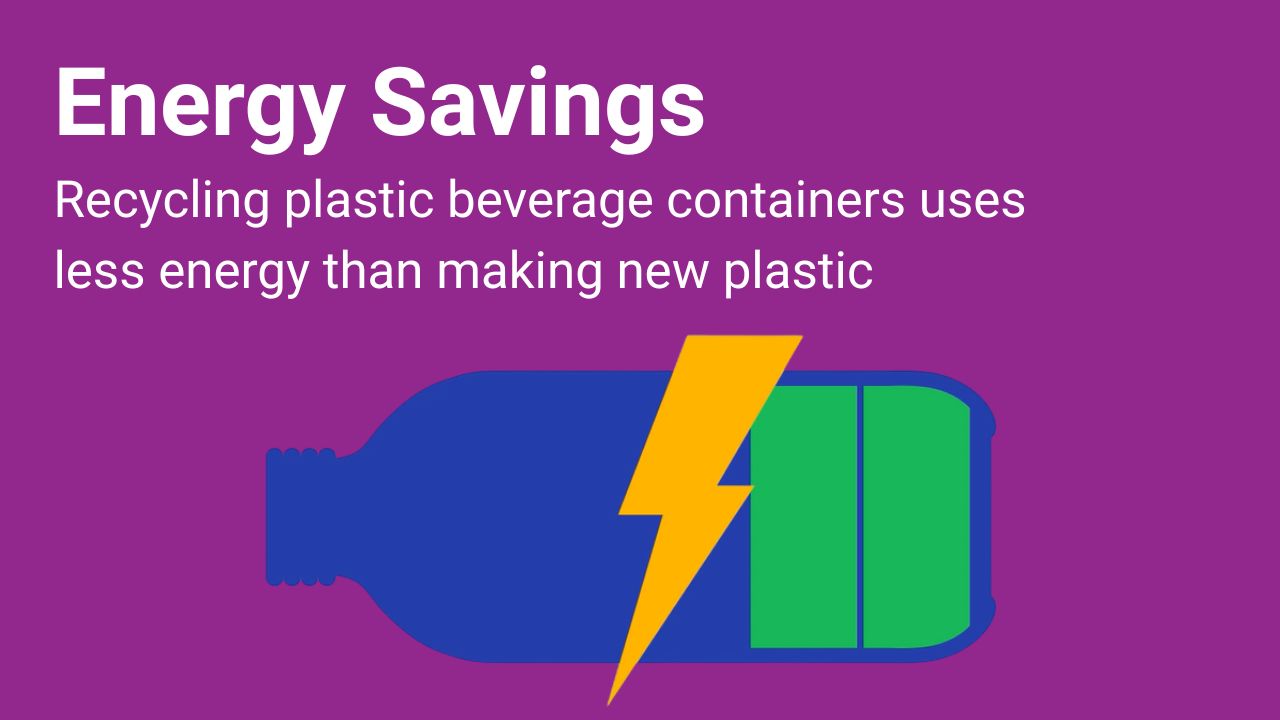
What Happens To Plastic Beverage Containers?
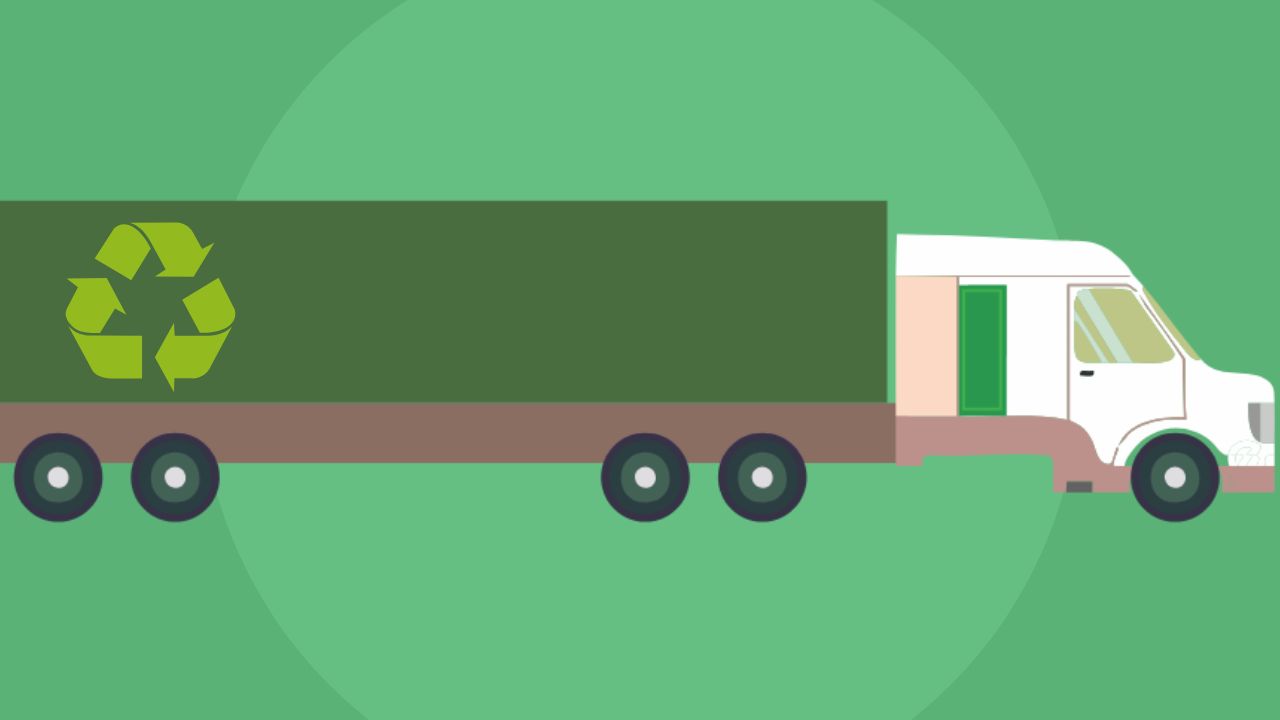
Plastic bottles are collected and shipped to a processing facility.
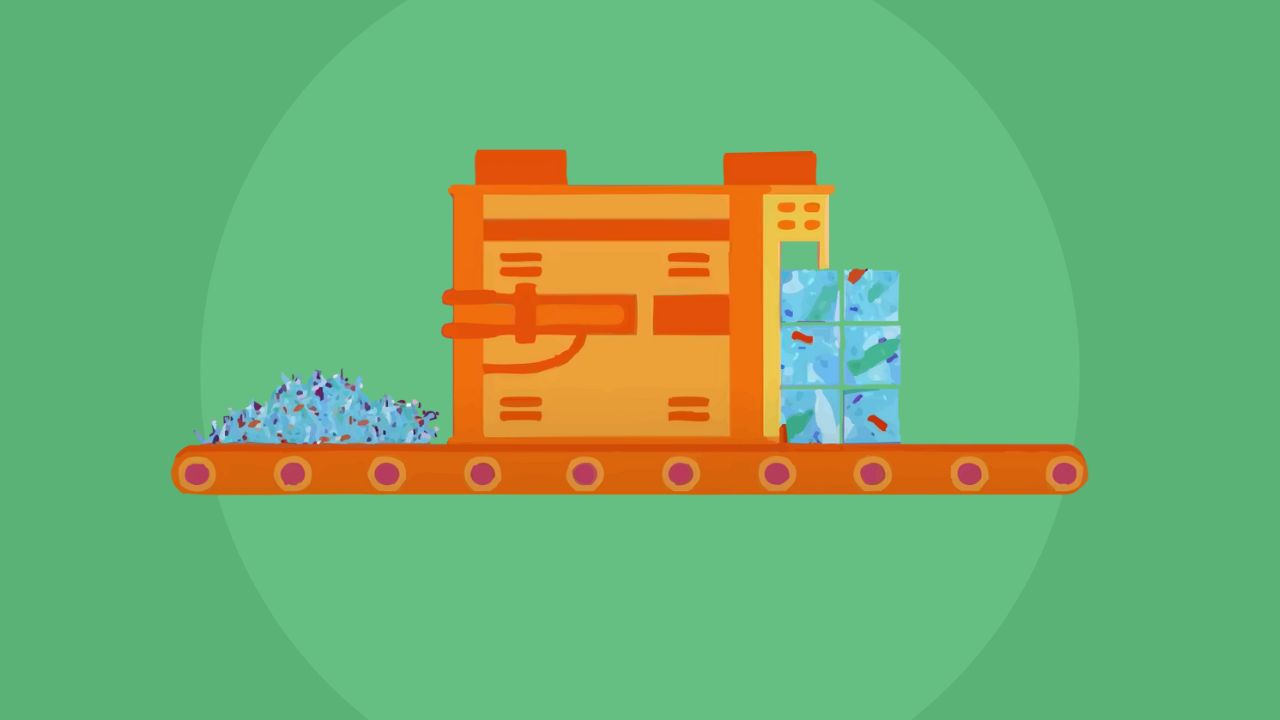
At the facility, they are flattened and baled.
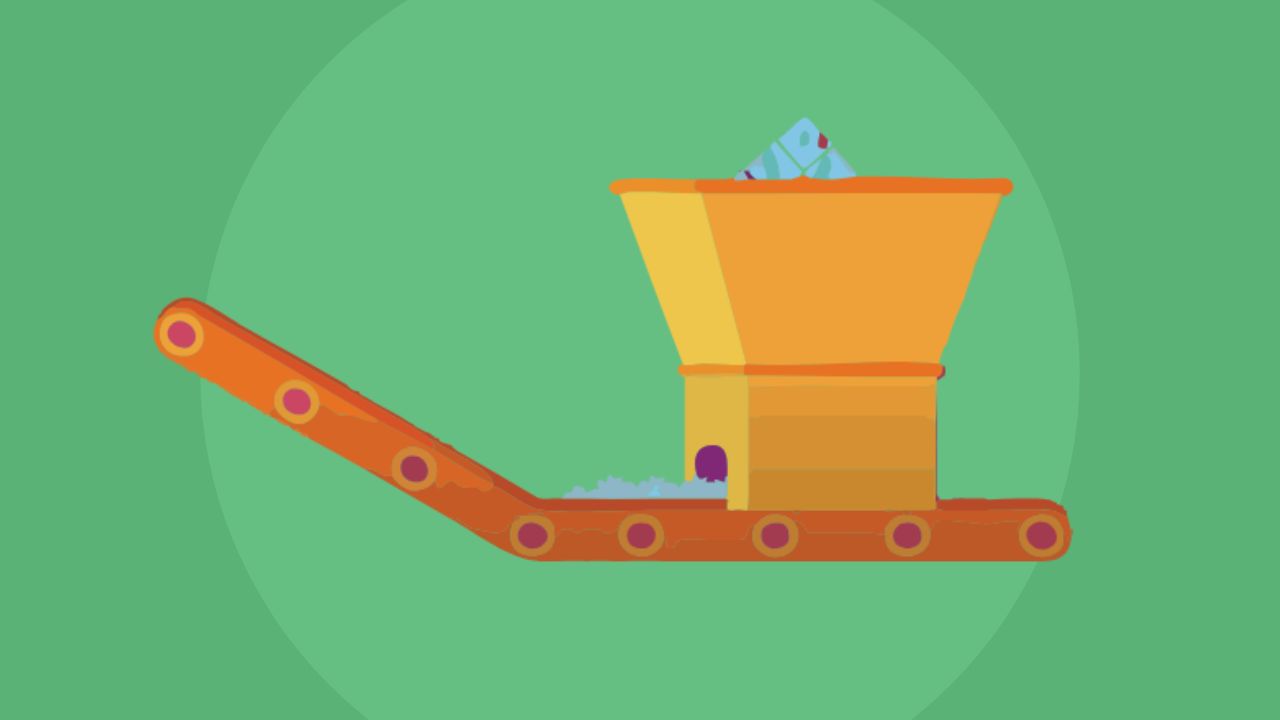
The baled plastic is chopped into small pieces.
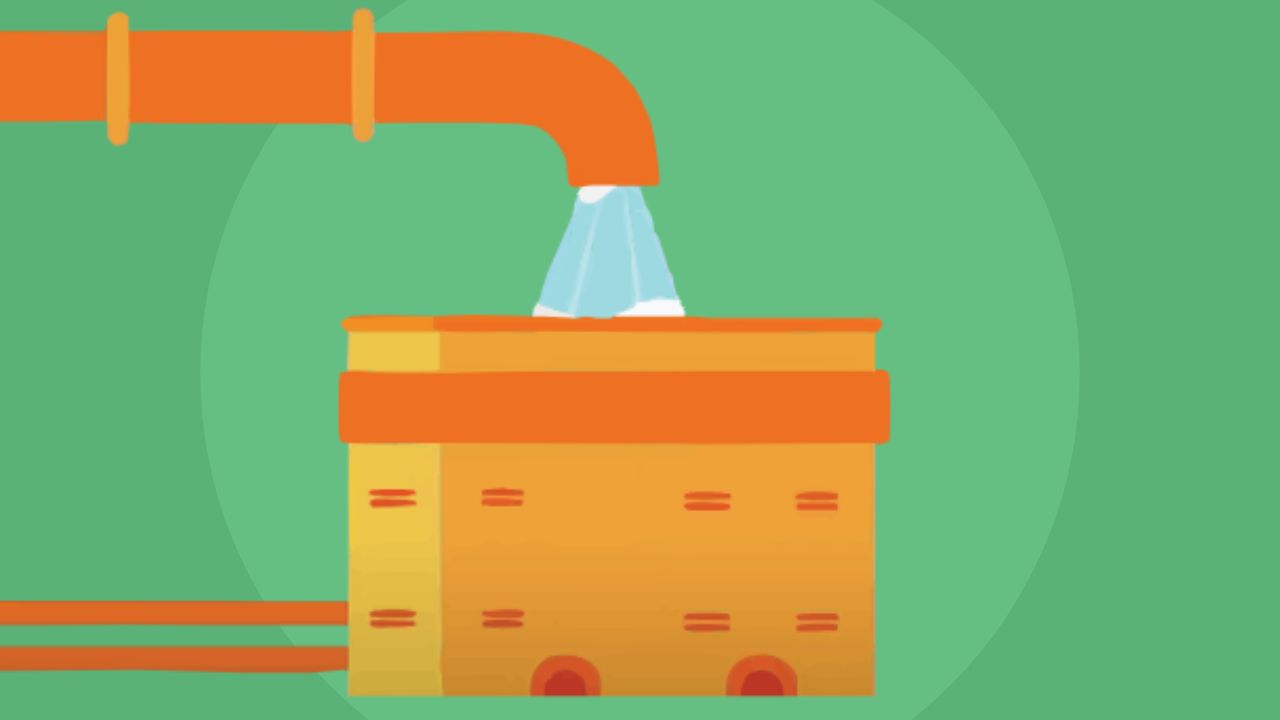
Next, these plastic pieces are washed and sanitized.
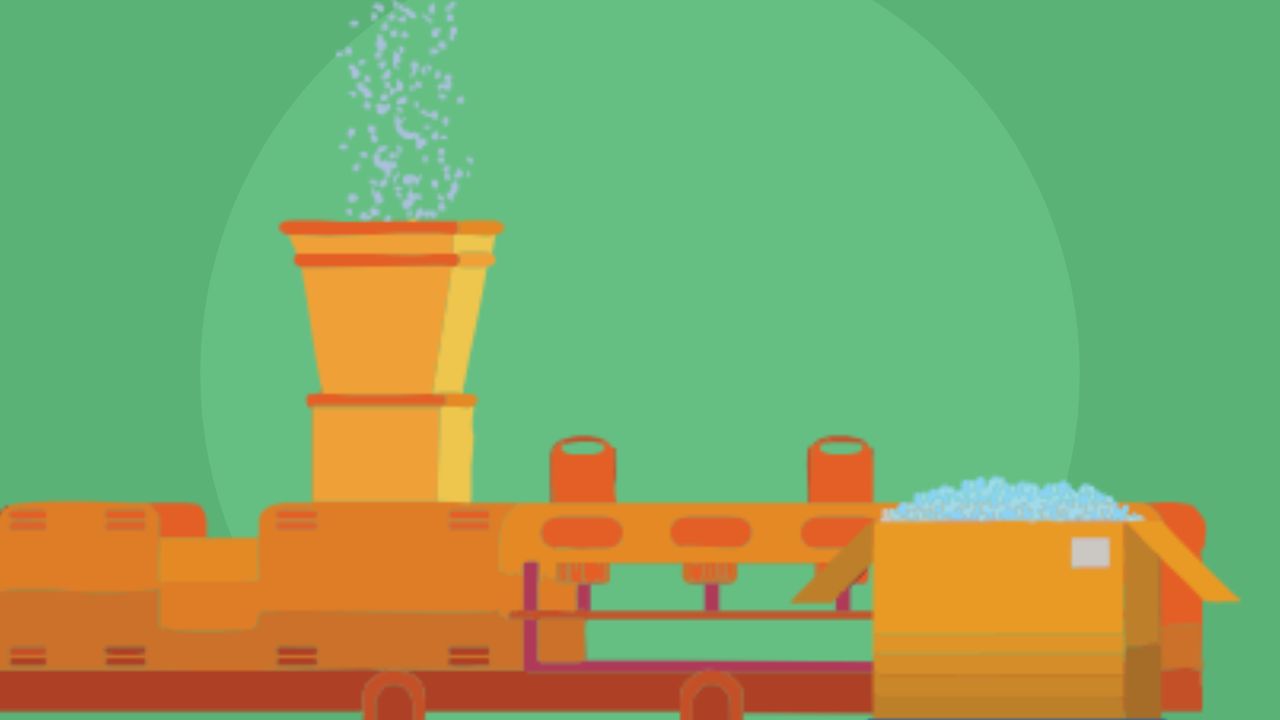
The clean plastic is melted down and formed into pellets.
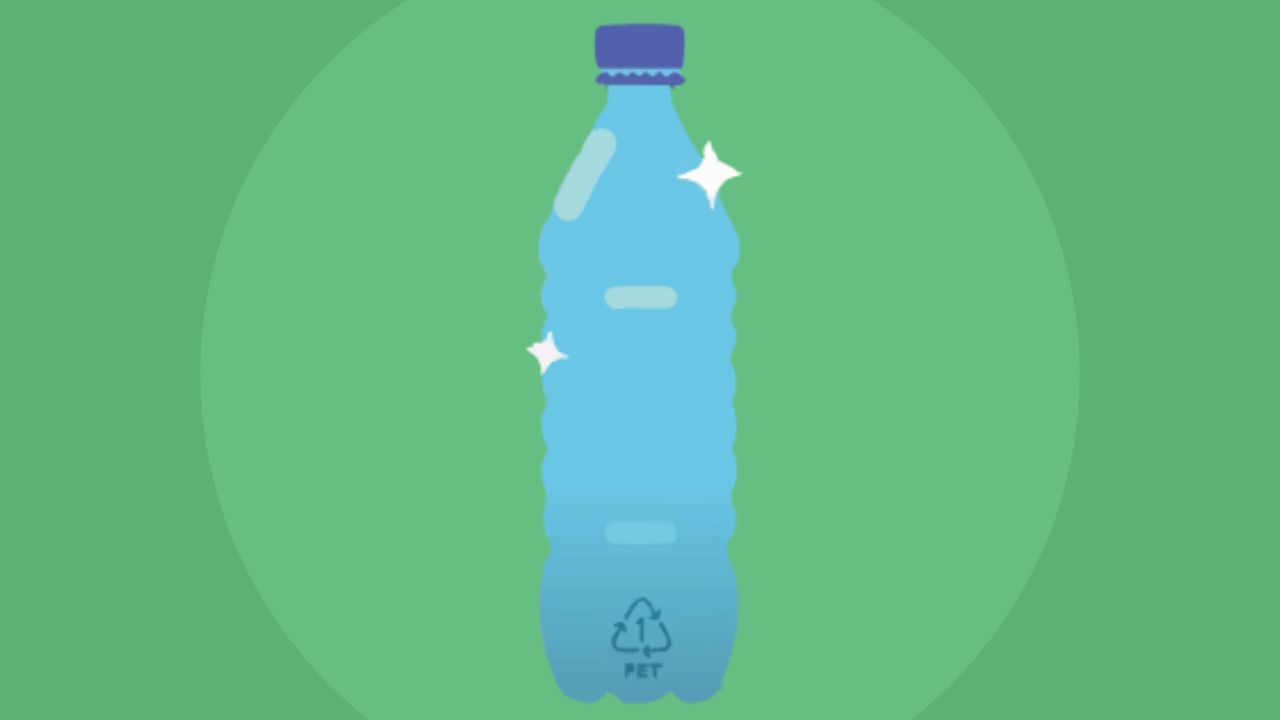
Manufacturers use the pellets to make new products, including more plastic bottles.
What About Other Materials?
Materials like glass, metals and cartons are also used to make beverage containers. When returned for recycling, they go through different processes that allow them to be transformed into new products.
Some plastics can be more difficult to recycle, such as low-density polyethylene (LDPE ♶), polypropylene (PP ♷), polystyrene (PS ♸), and other types of plastics (OTHER ♹). When plastics cannot be recycled, they can be used in waste‑to‑energy processes, where they help generate heat or electricity—keeping waste out of landfills while producing useful energy.
Glass
After use, refillable glass beer bottles are set aside at redemption centres and returned to brewers for washing, sterilization and refilling. Single-use glass containers are sent to recycling facilities where they are crushed into small pieces called “cullet” — a sand-like material. Cullet can be used to make new bottles or related products like fibreglass material (home insulation). Cullet can also be be mixed in aggregate materials used in road bedding or used in drainage material for septic-field applications.
Metals
After use, aluminum cans get sent to recycling facilities where they are shredded, melted, and reformed into new aluminum sheets. This allows beverage manufacturers to reuse the aluminum for new containers. These recycled aluminum sheets can also be used for various products like appliances, car parts and electronics, instead of needing to mine for new resources.
Used steel containers are sent to scrap metal dealers for metal recovery. Recovered steel can be transformed into new steel products, such as cans, appliances, automobiles, and construction materials.
Cartons
Carton beverage containers come in two types: shelf-stable (aseptic) cartons and refrigerated (gable top) cartons. After use, carton containers get sent to recycling facilities where they are processed into machines that functions like a giant blender with water to separate different materials within the cartons — like paper, plastic, and aluminum. The materials from carton containers are most often recycled into paper products, such as paper towels, tissue, office paper, and building materials.
For more about carton recycling, visit the Carton Council of Canada’s website.

How and Where to Recycle?
- Set aside ALL your empty deposit-bearing beverage containers — all material types can be returned for recycling (for example: plastics, glass, metals like aluminum and steel, and cartons). Not sure which ones qualify for a deposit refund? Check our list of eligible containers here.
- Take your containers to a nearby redemption centre. Use our interactive map to find one near you, including hours of operation and contact details.
- Receive a full deposit refund for every eligible container you return. It’s that simple!